Myanmar’s parliament meets for first time in 5 years with military controlling most seats
News > Politics & Government News


Audio By Carbonatix
12:37 AM on Monday, March 16
The Associated Press
NAYPYITAW, Myanmar (AP) — Myanmar opened its first parliamentary session in more than five years on Monday following an election that did not include major opposition parties, ensuring that the ruling military is set to retain a firm grasp on power.
The military blocked Myanmar's last parliament from convening when it seized power from the last legitimately elected government of Aung San Suu Kyi in February 2021, and has governed without a legislature since then. It touted elections held in late December and January as a step toward the return of democracy.
But the military and its allies hold nearly 90% of the seats in the two-chamber parliament, while Myanmar’s former ruling National League for Democracy and other major opposition parties were either blocked from running or refused to compete under conditions they deemed unfair.
Delegates wearing traditional attire arrived in the capital, Naypyitaw, on Monday for the opening session of the 373-seat lower house, which convened in the tightly guarded parliamentary complex, newly renovated after being badly damaged by last year’s earthquake.
Security forces sealed roads leading to the parliament, and vehicles were searched for explosives before entering.
The new Parliament’s first task is to elect a speaker for each chamber, then elect a president and two vice presidents.
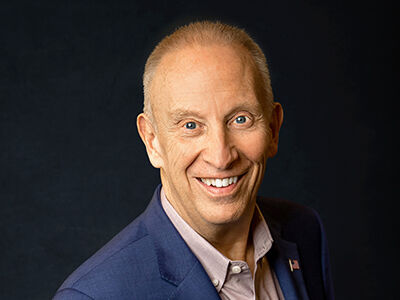
During Monday’s session, Khin Yi, the chairman of the military-backed Union Solidarity and Development Party, was elected as speaker of the lower house. He is a former general and police chief, widely regarded as a close ally of Senior Gen. Min Aung Hlaing, the country's military ruler.
Maung Maung Ohn, also a former general and ex-information minister, was elected deputy speaker.
The 213-seat upper house is scheduled to open Wednesday, with 14 regional parliaments set to convene two days after that.
A quarter of the available seats in the upper and lower houses — 166 seats — were reserved for the military by the military-written constitution, and the USDP won 339 of the rest. Twenty-one other parties won between one and 20 seats each.
Phased elections were held in December and January in 263 of the country’s 330 townships.
Critics described the vote organized by the military government as an effort to legitimize its rule. The 2021 coup triggered widespread opposition that dragged Myanmar into a civil war.
Tom Andrews, a special rapporteur working with the U.N. human rights office, has urged the international community to reject the election results and any power arrangements that follow.
Min Aung Hlaing, who heads the current military government, is widely expected to assume the presidency.
However, the constitution bars a president from serving concurrently as the army’s commander-in-chief — Myanmar’s most powerful post — raising questions about whether he would relinquish that role.
Suu Kyi, Myanmar’s 80-year-old former leader, is serving a 27-year prison term on charges widely viewed as spurious and politically motivated. Her party won landslide victories in the 2015 and 2020 elections, but was forced to dissolve in 2023 after refusing to register under new military rules.
An opposition shadow parliament, formed by elected lawmakers who were blocked from taking their seats when the military seized power in 2021, also held an online session on Monday. It claims it is the country's sole legitimate parliament.